
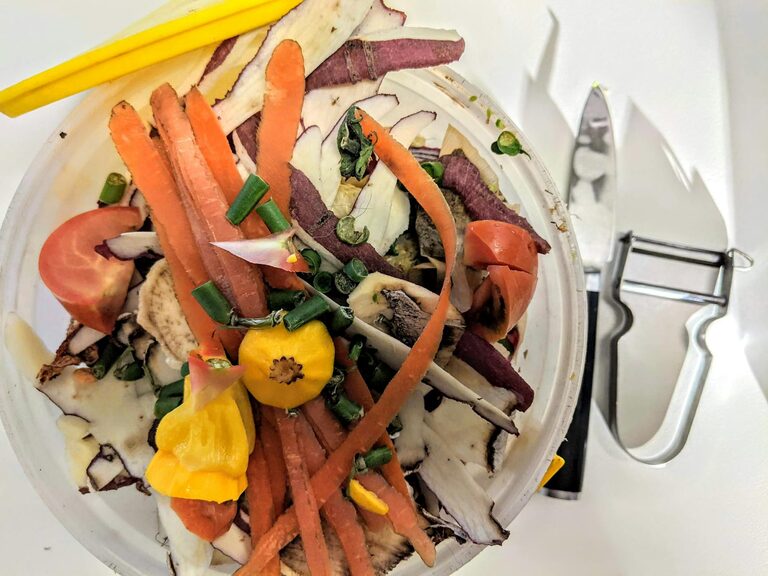
Composting at home is a rewarding way to reduce waste and create rich soil for your garden. If you’re new to composting, the thought of managing a compost bin might seem overwhelming. But with a few simple steps, you can start turning kitchen scraps and garden waste into valuable compost right in your backyard—or even indoors. In this post, we’ll explore beginner tips to help you compost successfully and enjoy the benefits of healthier plants and less trash.
What is Composting?
Composting is the natural process of recycling organic materials like food scraps and yard waste into a nutrient-rich soil amendment. Microorganisms break down these materials over time, producing compost that improves soil health, conserves water, and supports plant growth.
Why Compost at Home?
– Reduce landfill waste: Composting diverts organic waste from landfills, decreasing methane emissions.
– Save money: Compost reduces the need for commercial fertilizers and soil conditioners.
– Improve plant health: Rich in nutrients, compost enhances soil structure and supports beneficial microbes.
– Promote sustainability: It’s an eco-friendly practice that returns nutrients to the earth.
Getting Started: Choose Your Composting Method
There are several ways to compost at home. Choose one that fits your space and lifestyle:
Outdoor Compost Bin
Great for gardens or yards with enough space. Compost bins can be purchased or homemade.
Compost Pile
Simply pile your organic waste in a designated spot. Requires turning for aeration.
Tumbler Composters
Enclosed containers that rotate to speed up composting. Clean and easy for beginners.
Indoor Composting
Options like worm bins (vermicomposting) or countertop compost bins are ideal for apartments or small spaces.
Starter Tips for Beginner Composters
1. Balance Green and Brown Materials
Successful composting requires a good mix of “green” and “brown” materials:
– Green materials: Nitrogen-rich items like fruit scraps, vegetable peels, coffee grounds, grass clippings.
– Brown materials: Carbon-rich materials like dry leaves, cardboard, shredded paper, straw.
Aim for roughly 2-3 parts brown to 1 part green for a balanced compost pile.
2. Chop or Shred Materials
Cutting up larger scraps into smaller pieces speeds up decomposition. Try chopping kitchen scraps and shredding leaves.
3. Turn Your Compost Regularly
Aeration helps microbes break down materials faster and prevents odors. Use a garden fork or compost aerator to mix your pile every 1-2 weeks.
4. Keep It Moist
Your compost should feel like a wrung-out sponge—moist but not soggy. If it’s dry, add water. If too wet, add more brown materials.
5. Avoid Certain Items
Some materials don’t belong in compost:
– Meat, dairy, oily foods (attract pests and cause odors)
– Diseased plants or weeds with seeds (may spread pests)
– Pet waste (can contain harmful pathogens)
– Treated wood or synthetic materials
6. Patience is Key
Composting takes time—anywhere from a few weeks to several months depending on the method and conditions. Be patient and monitor progress.
Troubleshooting Common Composting Issues
– Bad odors: Usually caused by too much green material or poor aeration. Turn pile and add more brown materials.
– Pile not heating up: May need more green materials or better turning.
– Fruit flies: Cover food scraps with browns or bury them under the pile.
– Pile too wet: Add dry leaves or shredded paper to absorb moisture.
Using Your Finished Compost
Finished compost is dark, crumbly, and smells earthy. Use it to:
– Enrich garden beds and flower pots
– Mulch around plants to conserve moisture
– Mix into lawn soil for better grass growth
– Topdress houseplants
Additional Tips to Stay Motivated
– Start small and expand as you gain confidence.
– Place compost bin in a convenient location for easy access.
– Keep a small compost bin in your kitchen to collect scraps daily.
– Join local composting groups or community gardens for support.
Final Thoughts
Composting at home is one of the easiest ways to make a positive environmental impact while improving your garden’s health. By balancing materials, maintaining moisture, and turning your compost regularly, you will soon see how simple and satisfying home composting can be. Ready to start? Gather your scraps and give it a try today!
Happy composting!