
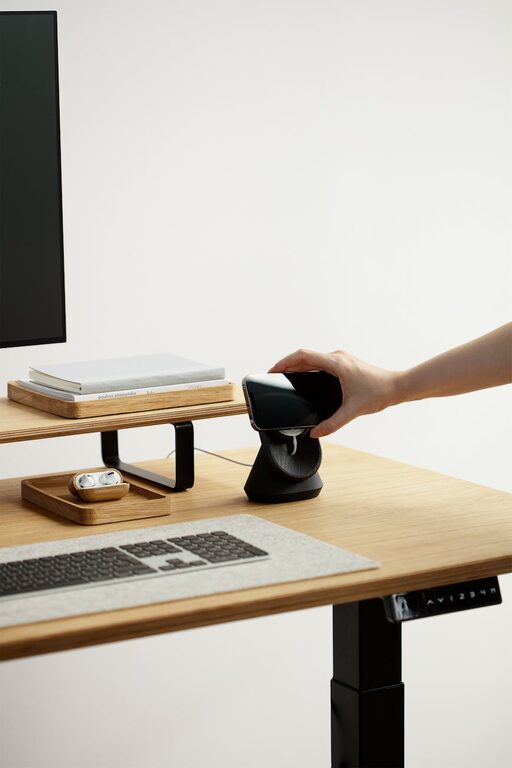
Creating an effective desk setup is key to maximizing both focus and comfort during your work or study hours. Whether you work from home, spend time on hobbies, or study at your desk, a thoughtfully arranged workspace can make a big difference in productivity and well-being. In this post, we’ll explore practical tips to help you organize and equip your desk for a comfortable, distraction-free environment.
Why Your Desk Setup Matters
A cluttered or poorly arranged desk can lead to discomfort, distractions, and lower motivation. On the other hand, a well-planned workspace promotes better posture, reduces stress, and helps maintain concentration. Small changes in your desk setup can improve your daily routine and overall work experience.
—
Choosing the Right Desk and Chair
Desk Height and Size
– Ergonomic height: Ideally, your desk height should allow your forearms to rest parallel to the floor when typing or writing. Standard desk heights are around 28 to 30 inches but adjust based on your height.
– Ample surface area: Your desk should have enough space for your computer, accessories, and writing materials without feeling crowded.
– Adjustable options: Consider standing desks or adjustable desks to alternate positions during the day, which can lower fatigue.
Comfortable Chair
– Ergonomic support: Choose a chair with lumbar support to maintain the natural curve of your spine.
– Adjustability: Seat height, backrest angle, and armrest adjustments let you customize for comfort.
– Mobility: Swivel chairs with casters enhance mobility, reducing strain when reaching for items.
—
Organizing Your Desk for Focus
Declutter Regularly
A clean desk minimizes visual distractions and helps you focus on the task at hand.
– Keep only essential items on your desk.
– Store papers, cables, and accessories in drawers or organizers.
– Use a daily or weekly routine to tidy up.
Use Desk Organizers
– Trays, pen holders, and file racks keep items orderly.
– Cable organizers prevent tangled wires.
– Vertical storage options save space and keep your desk clear.
Position Your Computer Correctly
Your computer setup greatly impacts comfort and focus.
– Monitor height: The top of your screen should be at or slightly below eye level to avoid neck strain.
– Distance: Place the monitor about an arm’s length away for comfortable viewing.
– Keyboard and mouse: Keep them close enough that your elbows remain near your body, with wrists in a neutral position.
—
Enhancing Comfort and Ergonomics
Lighting Matters
– Natural light: Position your desk near a window if possible—it boosts mood and reduces eye strain.
– Task lighting: A desk lamp with adjustable brightness helps you see clearly without glare.
– Avoid harsh overhead lights: Use softer or indirect lighting to create a comfortable atmosphere.
Add Personal Comfort Items
– Wrist rests or ergonomic mouse pads can ease hand strain.
– A footrest may improve posture if your feet don’t rest flat on the floor.
– Consider a small cushion for additional back support.
—
Creating a Focus-Friendly Environment
Minimize Distractions
– Use noise-cancelling headphones or soothing background music if you’re in a noisy space.
– Keep your phone on silent or in another room during focused work periods.
– Establish clear boundaries with others in your home or office to minimize interruptions.
Incorporate Greenery
– Adding a small plant can improve air quality and provide a calming presence.
– Plants have been shown to reduce stress and increase attention span.
Maintain a Comfortable Temperature
– Ensure your workspace is well-ventilated.
– Adjust clothing layers so you stay comfortably warm or cool.
—
Personalizing Your Space
While maintaining functionality, personal touches can make your desk inviting.
– Add photos or artwork that inspires you.
– Use colors that boost your mood; blues and greens are calming, while yellows can energize.
– Choose desk accessories that reflect your style but avoid excess clutter.
—
Establishing Good Habits Around Your Desk
– Take breaks regularly – stand up, stretch, and move to avoid stiffness.
– Keep water nearby to stay hydrated.
– Stand or walk when possible to reduce prolonged sitting.
—
Conclusion
A productive and comfortable desk setup is achievable with thoughtful choices and regular maintenance. By focusing on ergonomics, organization, and personalization, you can create a workspace that supports both your focus and well-being. Start small and adjust your setup over time to find what works best for you.
—
Your ideal desk awaits—happy organizing!